Loading the player… Open the official player →
Live-action · English original

Moses: Parting the Red Sea

A Hebrew baby in a reed basket on the Nile. Raised as an Egyptian prince, he hears the brick pits cry. The pharaoh says slave bones can be replaced. He is about to disagree.

50 episodes Live-Action Biblical Epic Ancient Egypt Epic Drama Historical

The pharaoh orders every Hebrew male child cast into the Nile. A mother seals her newborn in reeds and sets him on the river: "I will place him upon waters God can see." The pharaoh's daughter draws him out and raises him as an Egyptian prince. Grown, scarred, armored, he cannot unlearn the brick pits — and when he steps between an overseer and a chained slave, the pharaoh puts the blade question to him: would you spill Egyptian blood for a slave?

Moses: Parting the Red Sea is available on YourChannel through its official player.

PlatformYourChannel
Episodes50
LanguageEnglish original
SubtitlesEnglish
PlaybackBrowser · official player
50 episodes · full series on the official player
About the show

Source: YourChannel official drama page & player — editorial coverage based on the opening arc; series details verified 27 Oct 2026.

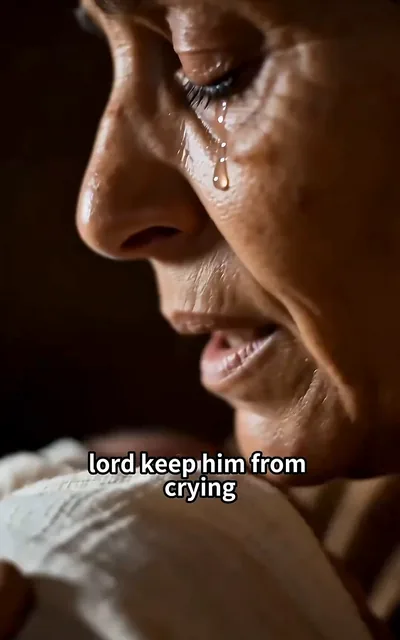
The edict is simple and brutal: "Every Hebrew male child must be cast into the Nile." In the brick pits, a mother holds her newborn and whispers a prayer: "Lord, keep him from crying." She seals him in reeds, and when asked if she is handing him to the river as death, she answers, "I will place him upon waters God can see." The basket drifts into the reeds, where the pharaoh's daughter wades out and lifts the boy from the water: "Your highness, this is a child the king ordered to die. I can find a nurse for him."

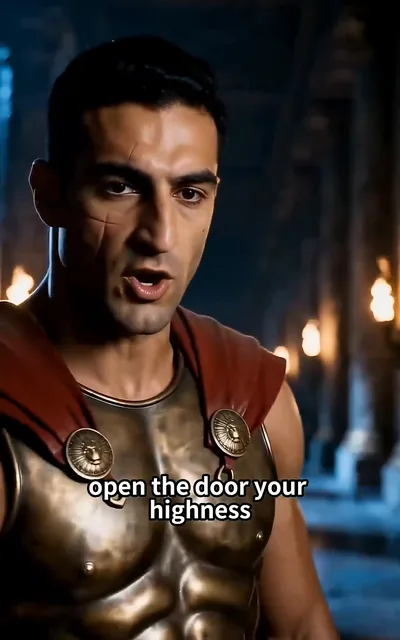
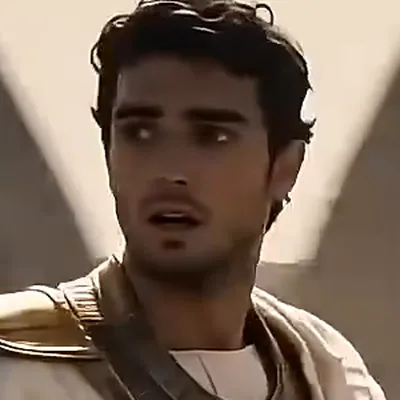
Years pass. The boy grows into a scarred young champion in golden regalia, a prince who rides past the pyramids and stands in the court of the pharaoh. But the palace cannot quiet what his birth mother left in him: "I lived in the palace, yet I could hear the brick pits. I learned Egypt's writings, yet I could not forget the god my mother spoke of." The pharaoh's doctrine is the opposite of everything he feels: "Bricks can be remade and slave bones can be replaced." When he learns the full story of the basket on the river, he asks the question that will define his life: "Then who am I?"

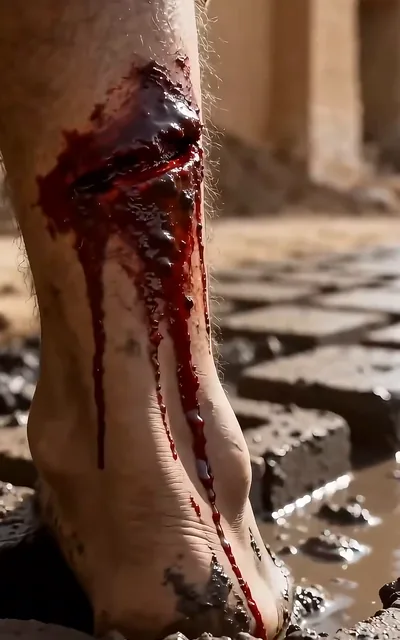
The break comes in the courtyard, where a Hebrew slave is being worked in the mud under an Egyptian overseer. The prince steps between them. The royal guards close in: "Come alone. A Hebrew man clad in Egyptian golden regalia." The pharaoh himself confronts him, incredulous: "Moses, stop. Leave them." And the question is put to the scarred prince like a blade: "Would you spill Egyptian blood for a slave?" From this moment the boy raised on a palace lap is no longer the crown's — he is the voice the brick pits have been crying out for, and the sea itself will one day open before him.

Meet the characters

Moses — The Hebrew infant drawn from the Nile and raised as an Egyptian prince
Moses
The Hebrew infant drawn from the Nile and raised as an Egyptian prince

Raised in gilded halls and taught Egypt's writings, he walks in golden regalia yet flinches at the sound of the brick pits. The edict to drown every Hebrew boy was meant to kill him; instead the river delivered him to the very palace that enslaved his people.

"I lived in the palace, yet I could hear the brick pits."

The Pharaoh — The ruler of Egypt who treats human bones as building material
The Pharaoh
The ruler of Egypt who treats human bones as building material

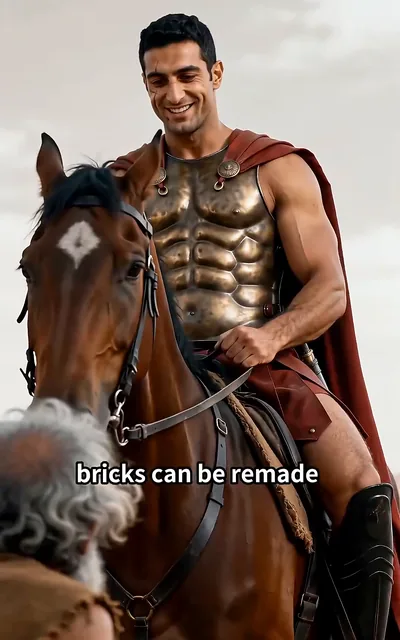
Young, golden, raised to believe the empire exists to expand, he rules from above the mud and mortar. He does not snarl — he reasons: bricks can be remade, bones replaced, the empire grows with more slaves.

"Bricks can be remade and slave bones can be replaced."

The Mother — The Hebrew woman who seals her faith in a reed basket
The Mother
The Hebrew woman who seals her faith in a reed basket

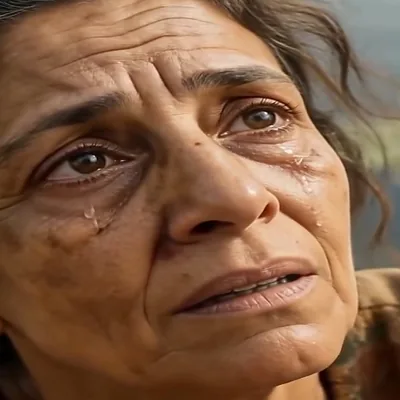
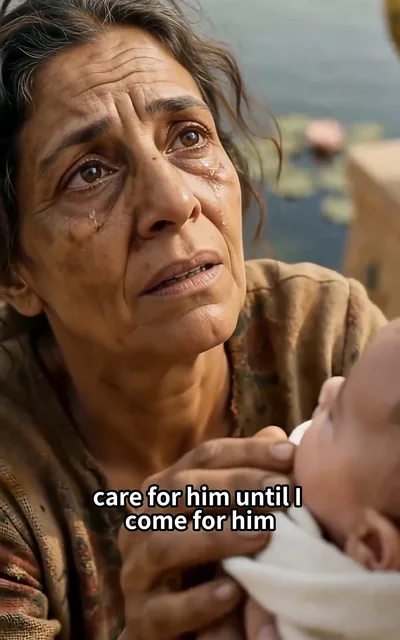
A laborer's wife in the brick pits, she faces the royal edict that would drown her newborn. In tears she hands the child over, trusting a palace woman to keep him alive until she can come for him.

Standout scenes

The opening arc is the slow discovery of which side of the courtyard he actually stands on: the edict, the basket, the palace raising, and the blade question. Four editorial picks from episodes 1–7 — no ending spoilers.

Episode 1

The Edict and the Basket

The royal order rings out: every Hebrew male child must be cast into the Nile. In the brick pits a mother whispers, "Lord, keep him from crying," and seals her newborn in reeds. When asked if she is giving him to death, she answers: "I will place him upon waters God can see."

Episode 3

Drawn From the Nile

The pharaoh's daughter wades into the reeds and lifts the child out of the water: "Your highness, this is a child the king ordered to die. I can find a nurse for him." The mother's commission carries across the river: "They may give you golden clothes, but they cannot give you your true name."

Episode 5

The Prince Hears the Brick Pits

Grown and armored, the prince cannot unlearn his mother's voice: "I lived in the palace, yet I could hear the brick pits." The pharaoh's answer is imperial cold: "The more slaves we have, the stronger the empire becomes. In this palace, bloodline is a blade and mercy is weakness."

Episode 7

Who Do You Serve?

The scarred champion steps between an Egyptian overseer and a chained slave. Guards surround him: "A Hebrew man clad in Egyptian golden regalia." The pharaoh confronts him: "Moses, stop. Leave them." Then the blade question: "Would you spill Egyptian blood for a slave?" The prince does not step back.

Key moments

Frames from the opening arc — swipe to browse.

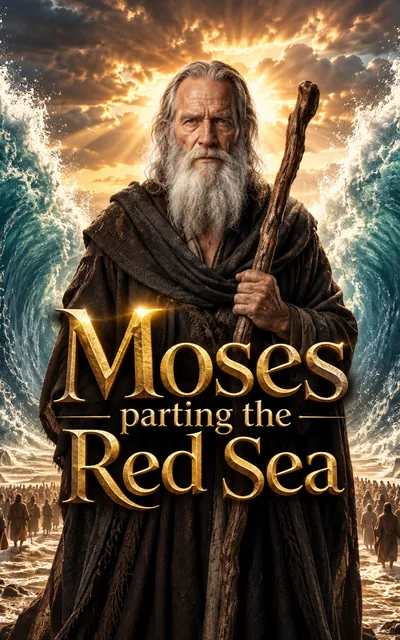
Moses: Parting the Red Sea official poster
Official poster
The royal edict in the brick pits
Ep 1 · the edict
The mother seals the newborn in reeds
Ep 1 · the basket
The basket drifts on the Nile
Ep 2 · waters God can see
The pharaoh's daughter wades into the reeds
Ep 3 · drawn from the Nile
The child lifted from the water
Ep 3 · the palace finds him
The grown prince in golden regalia
Ep 4 · the champion
The prince before the pharaoh
Ep 5 · the brick pits
He steps between overseer and slave
Ep 7 · who do you serve

Editor's take

Our editors' notes on the opening arc — personal picks, not audience feedback.

WebDramas editorial · on the pharaoh

"The villain works because he never raises his voice. 'Bricks can be remade and slave bones replaced' is calm imperial arithmetic, and that coldness makes the courtyard collision feel like a force of nature rather than a shouting match."

WebDramas editorial · on episode 7

"The courtyard beat earns its weight: the whole arc has been building to one question — whose side is the prince on? 'Would you spill Egyptian blood for a slave?' is the blade, and the camera holds on him not stepping back."

WebDramas editorial · the bottom line

Best for viewers who like biblical epics and court-intrusion dramas built on a slow moral awakening; if you want the spectacle of the parting itself immediately, the opening arc is the basket, the palace, and the courtyard confrontation. Compared with most short-form epics, this one lingers on the prince's divided birthright and the pharaoh's calm logic rather than big set pieces — that patient buildup is both its strength and its limit.

Q&A

How many episodes does Moses: Parting the Red Sea have?
The official player confirms 50 episodes in total.
Who is the baby in the reed basket?
The infant Moses, set adrift by his Hebrew mother to escape the royal edict that every Hebrew male child be cast into the Nile. He is drawn from the reeds by the pharaoh's daughter and raised as an Egyptian prince.
Why does the mother set him on the river?
She cannot keep him, and she trusts the river rather than the palace guards. Her own words are: "If I cannot keep him in my arms, I will place him upon waters God can see."
Who is the antagonist?
The young pharaoh, raised to believe the empire grows with more slaves. His doctrine is that bricks can be remade and slave bones replaced — and he is the one who confronts the scarred prince in the courtyard.
What happens in the courtyard confrontation?
The scarred prince steps between an Egyptian overseer and a chained Hebrew slave. Guards surround him and the pharaoh demands to know whether he would spill Egyptian blood for a slave. The prince does not step back.
Where can I watch Moses: Parting the Red Sea?
Moses: Parting the Red Sea is available on YourChannel through its official player, which opens in your browser on both mobile and desktop.
Watch Now