Connected to the captured non-human specimen, Saluna frames the return in tide imagery, offers to take the boy away, and resists the label of monster the operation assigns him.
I am the tide that came back for you. — episode 8
A sealed research deck holds a creature that is not a whale; one shell kept since childhood ties a boy to the tide that came back for him.
A research operation captures an unknown marine specimen whose frequency is no whale song, and the commander orders no shooting without his say-so, the deck sealed, livestreams ended and the captive locked away while the boy connected to an old shell is kept clear of the area. After a pressure failure and near-drowning, post-rescue traits show the captive is no ordinary human, and the tide figure returns to the boy with a promise: he came back for him and may be a miracle the sea sent, not a monster.
Call my name My Alpha is available on YourChannel through its official player.
Source: YourChannel official drama page & player — editorial coverage based on the opening arc; series details verified 27 Oct 2026.
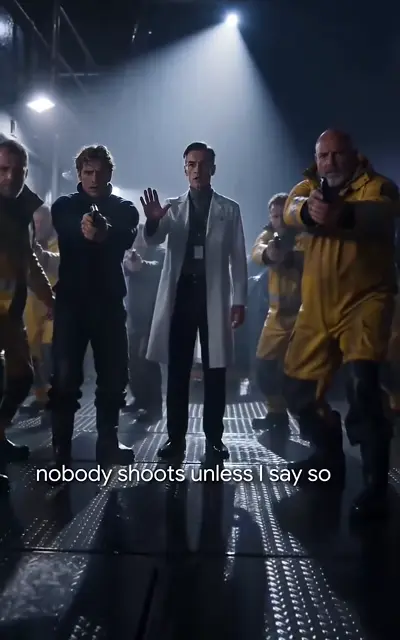
Episode one establishes the operation. The captured frequency is not a whale song, and one speaker refuses to let the team pull or hurt the living creature; the commander rules that nobody shoots unless he orders it, questions where the boy got his shell, and then seals the deck, ends every livestream, locks the captive in, and keeps the boy away for now.
Episode five delivers the pressure emergency. A failed intake floods the deck and the rescuer tells him to shut it and breathe through the shared channel; after the near-drowning, the observation that humans lie badly when adrenaline spikes gives way to the conclusion that the individual is no ordinary human, and his unique value is finally recognized.
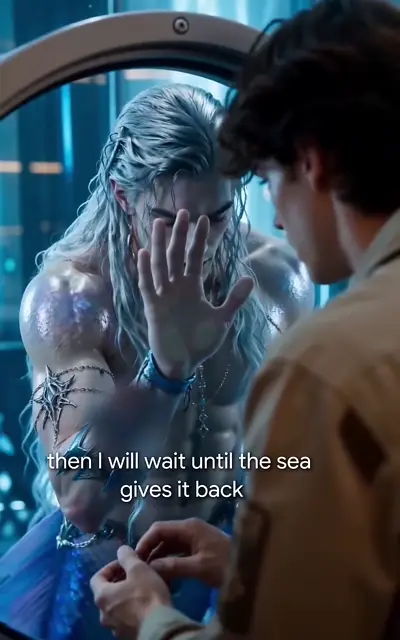
Episode eight connects the past. One party thanks the other for saving him on a night he cannot remember, and says he will wait until the sea gives the memory back. The tide figure offers to take him away, answers the question about whether he is a monster by identifying himself as the tide that returned for him, and leaves the boy naming Saluna.
Connected to the captured non-human specimen, Saluna frames the return in tide imagery, offers to take the boy away, and resists the label of monster the operation assigns him.
I am the tide that came back for you. — episode 8
He owns a shell he has had since he was small, remembers a tide event the other party denies, and in the end reconsiders whether the returned figure is a monster or a miracle from the sea.
The opening arc moves from the sealed-deck capture, to the near-drowning identity reveal, to the returned tide and the name Saluna. Four picks from episodes 1, 5 and 8 — no ending spoilers.
The captured frequency fails to match a whale; the commander seals the deck, ends the livestreams, locks the captive away, and forbids firing without his order.
During a flooding-pressure emergency the rescuer keeps the captive connected through breathing support; afterward the changed traits confirm he is not human.
The figure offers to take the boy away and says he returned specifically for him, softening the monster label into a possible miracle from the sea.
After the remembered rescue and the tide declaration, the boy speaks the name Saluna, closing the callback to the shell kept since childhood.
Frames from the opening arc — swipe to browse.


Our editors' notes on the opening arc — personal picks, not audience feedback.
"The sealed-deck procedure gives the specimen a controlled pressure-cooker setting; the shell question plants the personal thread before the supernatural reveal in later episodes."
"The near-drowning readout and the tide metaphor do the identity work: the show moves from containment language ('specimen') to belonging language ('miracle the sea sent')."
Best for viewers who like enclosed marine-facility fantasy, a non-human fated bond and a childhood keepsake that explains the return; if you want broad underwater worldbuilding, the opening keeps the action inside a small deck and a few characters. Compared with most sea shorts, this one runs on control versus release — sealing the specimen versus admitting he came back for the boy — that focus is both its strength and its limit.